01 / ORIGINALITY
Plagiarism
Using another person's words, ideas, data, or work without appropriate acknowledgment or attribution.

Principles and procedures for reporting, assessing, and addressing suspected research and publication misconduct in a fair, confidential, and evidence-based manner.
Community Education Engagement Journal (CEEJ) is committed to maintaining the integrity, credibility, and transparency of scholarly publishing. The journal takes allegations of research misconduct seriously and assesses reported concerns impartially, consistently, and in accordance with applicable ethical standards.
Research misconduct refers to serious violations of research integrity or publication ethics that compromise the reliability, originality, or ethical acceptability of scholarly work. Allegations may concern submitted manuscripts, published articles, research data, community engagement activities, or the reporting of research outcomes.
Concerns that may be assessed under this policy include, but are not limited to, the following:
Using another person's words, ideas, data, or work without appropriate acknowledgment or attribution.
Fabricating data or results, or manipulating research materials, procedures, or data so that the research record is inaccurate.
Submitting or publishing substantially overlapping work without appropriate disclosure or justification.
Inappropriate inclusion or exclusion of authors, misrepresentation of contributions, or other serious authorship violations.
Failure to obtain required ethical approval or informed consent, or failure to protect participants and communities where required.
Failure to disclose relevant financial, professional, or personal interests that could improperly influence the research or its publication.
Other concerns may include manipulated images, fraudulent peer review, false declarations, inappropriate data reuse, or deliberate misrepresentation of research findings. Honest errors and legitimate differences in interpretation are not automatically considered research misconduct.
Concerns may be reported to the editorial office by authors, reviewers, readers, research participants, institutions, or other individuals with relevant information.
Reports should provide as much specific information as reasonably available, including:
Reports should be submitted through the journal's official editorial contact channels. CEEJ will assess anonymous reports when sufficient information is provided to evaluate the concern.
CEEJ follows a proportionate process to evaluate allegations and determine appropriate action.
The editor or designated editorial representative reviews the report to determine whether it falls within the journal's remit and whether sufficient information exists to proceed.
Available materials are examined objectively. Where appropriate, the journal may use similarity reports, data documentation, publication records, or relevant expert advice.
Relevant authors or other parties may be invited to provide an explanation, supporting documents, or clarification within a reasonable period.
Where concerns remain serious or cannot be resolved editorially, CEEJ may refer the matter to the relevant institution, research integrity office, or other appropriate authority.
The journal determines the appropriate editorial response based on the available evidence, the outcome of any investigation, and applicable publication ethics guidance.
Depending on the nature, seriousness, and evidential basis of the concern, CEEJ may take one or more of the following actions:
Editorial action should be proportionate to the findings. A retraction or other public notice will be considered when necessary to maintain the accuracy and integrity of the scholarly record.
CEEJ seeks to protect the confidentiality of allegations and assessments to the extent reasonably possible. Individuals involved should be treated fairly, and conclusions should not be based solely on unverified accusations.
The journal will take reasonable steps to avoid unnecessary disclosure of personal or confidential information and will consider the rights of authors, complainants, research participants, and affected communities.
Where appropriate, CEEJ may request independent advice or institutional assistance to support an impartial assessment.
Authors and their affiliated institutions are expected to cooperate reasonably with inquiries concerning the integrity of research submitted to or published in CEEJ. Institutions may be better placed to investigate access to original data, research records, laboratory or field procedures, and other institutional matters.
CEEJ may refer serious or unresolved allegations to the relevant institution or competent authority. The journal will consider the available findings when deciding whether editorial action is necessary.
Authors who disagree with an editorial decision relating to a misconduct allegation may submit a reasoned response with relevant supporting evidence to the editorial office. Appeals will be considered by an appropriate editor or designated representative, where feasible independently of the original decision-maker.
An appeal does not automatically suspend an editorial action or guarantee a different outcome.
Community Education Engagement Journal is committed to responsible scholarly communication and the protection of the academic record. Allegations of misconduct will be assessed carefully, fairly, and confidentially, with appropriate action taken when supported by the evidence.
CEEJ encourages alignment with recognized publication ethics guidance, including the Committee on Publication Ethics (COPE).
Visit the COPE Official Website ↗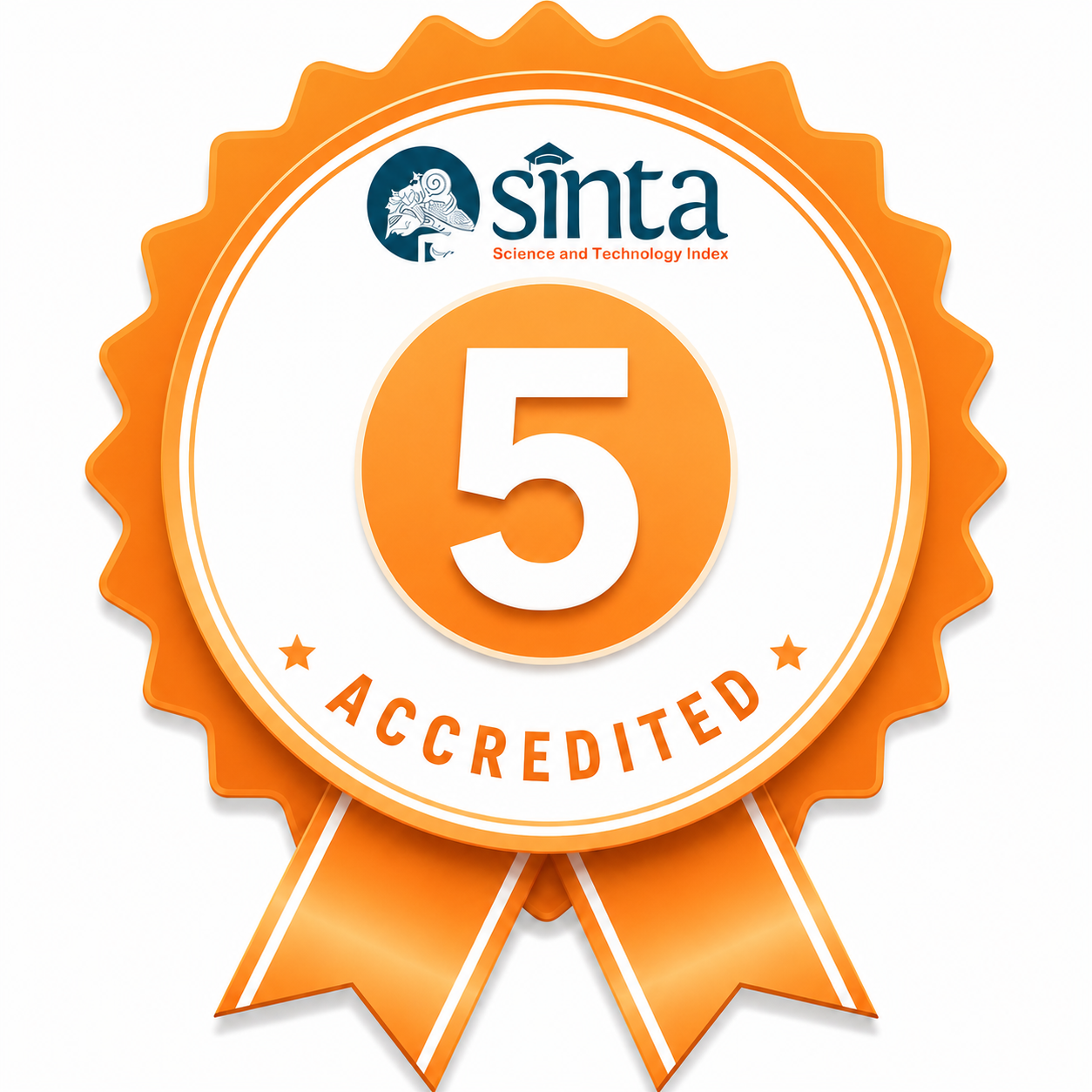
| Accreditation Rank | SINTA 5 |
| Status | ● Active |
| Valid Until | 2026 |
Prepare your manuscript using the official article template (.docx).
Confirm that your manuscript is original, has not been published previously, and is not under consideration by another journal.
Citation and publication overview for Community Education Engagement Journal (CEEJ).








Back to Top ```